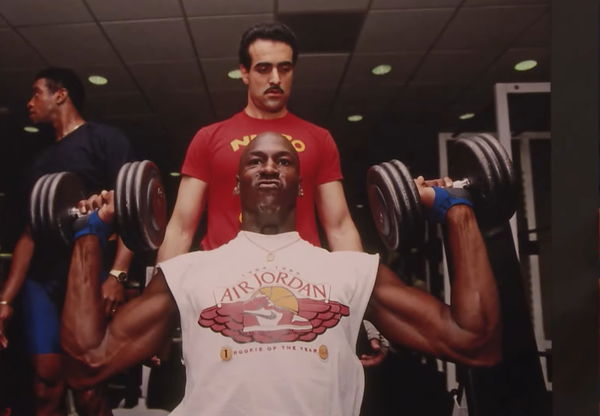
Many people know that Michael Jordan is the God of Basketball, but his journey to becoming a champion was not smooth. In fact, before he won his first championship, he was defeated by his opponents in the playoffs for many years in a row. The reason why Jordan eventually became a six-time NBA champion was not only due to talent, but also training and persistence. He spent a lot of time in strength and core training during his career, and even led his teammates to train early in the morning, which gradually established the Bulls dynasty.
1. Jordan’s Challenge: Lack of Physicality Against Strong Teams
In the early days of his career, although Jordan was able to score amazing points (such as averaging 30+ per game), he often lost in the playoffs due to insufficient physical confrontation when facing tough teams like the Detroit Pistons. In particular, the defensive strategy of the “Bad Boys” specifically targeted Jordan’s breakthroughs and offenses, forcing him to shoot more from the outside.
Faced with successive failures, Jordan realized that it would be difficult to lead the team to break through the bottleneck if he did not increase his physical strength.
So he invited trainer Tim Grover to help him improve his physical fitness. Grover customized a training system for him suitable for basketball players, focusing on developing strength, balance and core stability.
2. Jordan’s training method: targeted design, pursuit of practical results
Jordan’s training is not simply “practice more”, but “practice smarter”. His training content is designed according to the needs of the game. The following are some proven training focuses:
Core training (multiple times per week)
Various sit-ups and stabilization exercises
Emphasize airborne body control to reduce imbalance in confrontation
Strength training (less during the season, more in the offseason)
Classic bench press, deadlift, pull-ups
Quick, explosive movements (such as lifting light weights at high frequencies) helped Jordan improve his first step speed
Balance and flexibility training
Practice movements on an unstable platform to improve control during movement
Combine stretching and coordination exercises to reduce the risk of injury
Although specific moves such as the “spider crawl” were not explicitly disclosed in Jordan’s training, Grover emphasized the importance of dynamic agility and body control in training.
3. “Breakfast Club”: A training culture spontaneously formed by the team
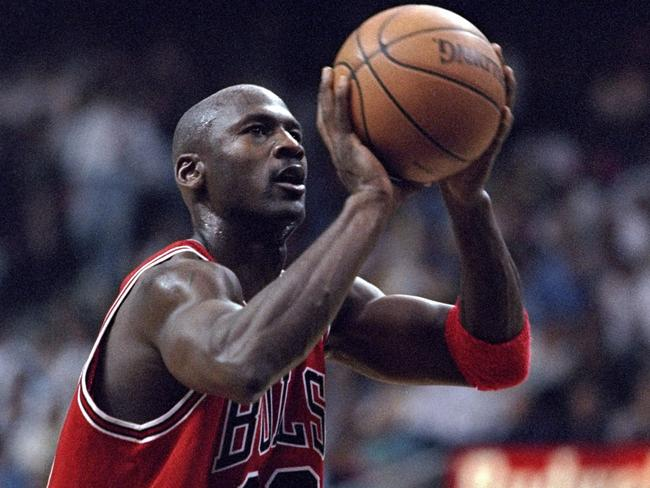
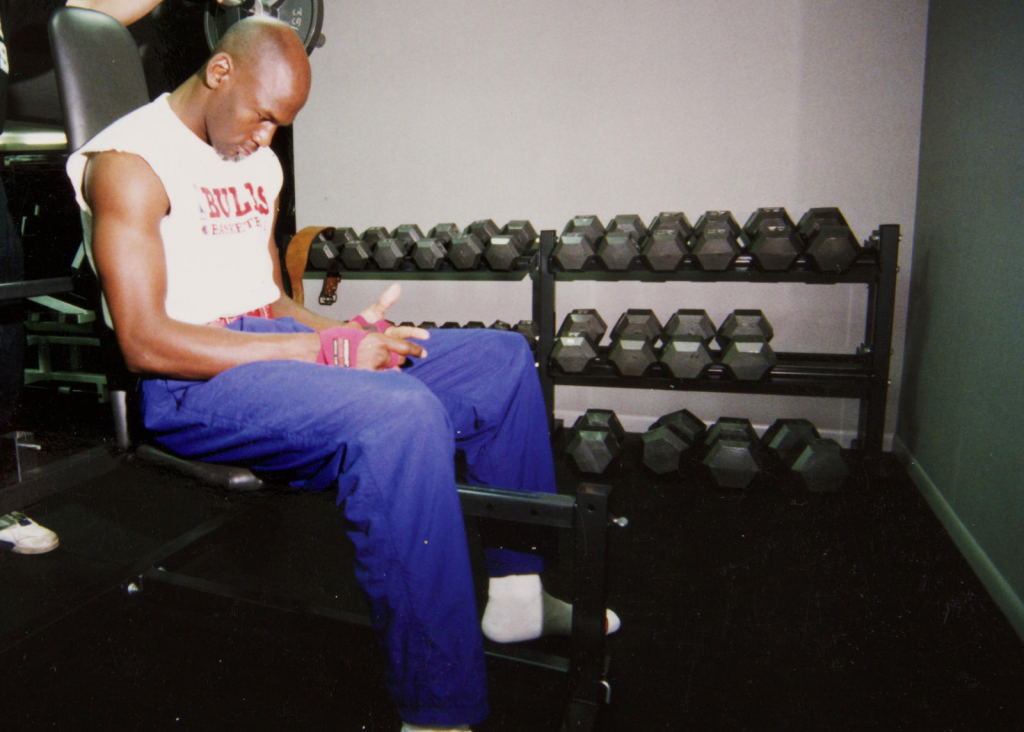
Jordan’s focus on training also influenced his teammates. After entering the mid-1990s, Jordan, Pippen, Ron Harper and others spontaneously trained every morning before participating in the Bulls’ formal training.
The group, dubbed the ” Breakfast Club ,” was led by Jordan and supervised by Grover. Their goal was to stay in shape during the season and reach peak fitness before the playoffs.
The results are clear:
In 1991 , the Bulls finally defeated the Pistons and Jordan won his first championship
1991–1993 : Bulls win three consecutive championships
1996-1998 , Jordan won three consecutive championships after his comeback
Jordan once said: “The training culture of the Breakfast Club makes us more prepared than our opponents at critical moments.”
4. What can ordinary people learn?
Although we don’t need to train as intensively as NBA players, several principles in Jordan’s training can also inspire ordinary people:
Core training is critical : 2-3 core exercises per week help stabilize the body.
Training emphasizes quality, not quantity : each training session should be focused and efficient.
Team atmosphere can enhance self-discipline : it is easier to stick to exercising with friends.
Customize training plans according to goals : not everyone is suitable for daily training, the key is long-term sustainability.
Conclusion: Greatness comes from choosing self-discipline
Jordan’s success is inseparable from his talent, but more importantly, he chose to change when faced with failure. It was those unnoticed trainings that made him better than others at critical moments.
Do you prefer to exercise in the morning or at night? Which aspect of your training do you think needs the most improvement? Feel free to leave a message to chat!